Thinking About Selling or Trading Your Gun in CT? 7 Things to Know Before You Do

Selling or trading a firearm in Connecticut involves more than agreeing on a price and handing over the case. The firearm’s condition, current market demand, accessories, documentation, and Connecticut transfer requirements all affect the process.
At BRAVO DEFENSE, LLC, we purchase used firearms and accept trade-ins through a licensed Connecticut firearms dealership. We provide straightforward appraisals, personalized one-on-one service, and guidance through the required paperwork.
Here are seven things to know before selling or trading a firearm in CT.
1. Decide Whether Selling or Trading Makes More Sense
The first step is identifying the goal.
Selling may be the right option when:
- The firearm is no longer being used.
- A collection is being downsized.
- An estate contains firearms that need professional evaluation.
- Funds are needed for another purpose.
- The firearm no longer fits current interests or shooting needs.
Trading may be the better choice when:
- A different handgun, rifle, or shotgun is needed.
- A newer model offers better features.
- The firearm is being replaced as part of a collection upgrade.
- The goal is to reduce out-of-pocket cost on another purchase.
A trade-in can provide convenience because the firearm’s value is applied toward another purchase. A direct sale may provide more flexibility when there is no replacement firearm involved.
We handle both options. Our team can inspect the firearm, discuss its current market position, and explain whether a sale or trade best fits the situation.
Learn more about Bravo Defense firearm appraisals.
2. Understand What Determines a Fair Firearm Value
The original purchase price does not determine today’s value. Used firearm values depend on several factors:
- Make and model
- Caliber or gauge
- Overall condition
- Mechanical condition
- Current demand
- Availability of the model
- Original packaging and manuals
- Included magazines, optics, or accessories
- Custom work or aftermarket modifications
- Collectibility and production history
A firearm in excellent condition with its original case and accessories may command more than the same model with heavy wear and missing parts. On the other hand, some modifications can reduce resale value if they limit the number of interested buyers.
At BRAVO DEFENSE, we provide honest, expert appraisals for handguns, rifles, shotguns, collectible firearms, and estate pieces. Initial reviews can begin with the make, model, condition, caliber, serial number, and clear photos. For a firm valuation, we may request an in-person inspection at our Southington location.
A professional appraisal gives a realistic market-based starting point. It is not the same as an insurance replacement value or a sentimental value.

3. Bring Accurate Information and the Complete Package
The more information available, the more efficiently an appraisal can proceed.
Before contacting a dealer, gather:
- Manufacturer and exact model
- Serial number
- Caliber or gauge
- Barrel length, if known
- Approximate purchase date
- Condition details
- Original case or box
- Factory magazines
- Sights, optics, and other included accessories
- Receipts or prior documentation, if available
- Any information about repairs or modifications
Do not alter, disassemble, or attempt to repair a firearm before an appraisal unless the work is being performed by a qualified professional. A modification made to improve appearance or performance may not increase resale value and can sometimes complicate evaluation.
For collections or inherited firearms, organize the items individually if possible. A clear list and a few well-lit photos can help us understand what is involved before an appointment.
Always transport a firearm safely and in compliance with applicable law. Keep it unloaded, secured, and separate from ammunition. Call ahead if there is any question about how to bring it in.
4. Connecticut Transfers Require Proper Authorization and Documentation
Connecticut has specific requirements for firearm sales and transfers. These requirements apply to dealer transactions and may also apply to private transfers.
The Connecticut Department of Emergency Services and Public Protection’s Special Licensing and Firearms Unit oversees retail firearm transactions and authorization numbers. According to the state’s firearms guidance, a dealer contacts the SLFU for an authorization number before the transaction proceeds.
Required paperwork can include:
- ATF Form 4473
- Connecticut Form DPS-67-C, Application to Purchase
- Connecticut Form DPS-3-C, Sale or Transfer of All Firearms
- A valid Connecticut pistol permit or applicable eligibility certificate for the purchaser, depending on the firearm and transaction
The state’s official firearms information page provides current forms and guidance. The official DPS-3-C form includes instructions for documenting the firearm, purchaser, seller, authorization number, and required copies.
When selling directly to BRAVO DEFENSE, we handle the dealer-side compliance and recordkeeping required for the purchase. When a trade includes a new or used replacement firearm, the purchase side must also meet Connecticut and federal requirements.
Connecticut firearm laws and administrative procedures can change. This article is general information, not legal advice. Confirm current requirements with DESPP or a licensed Connecticut firearms dealer before completing a transfer.
5. Special Firearms May Require Additional Review
Not every firearm can be handled like a standard used handgun, rifle, or shotgun.
Additional review may be needed for:
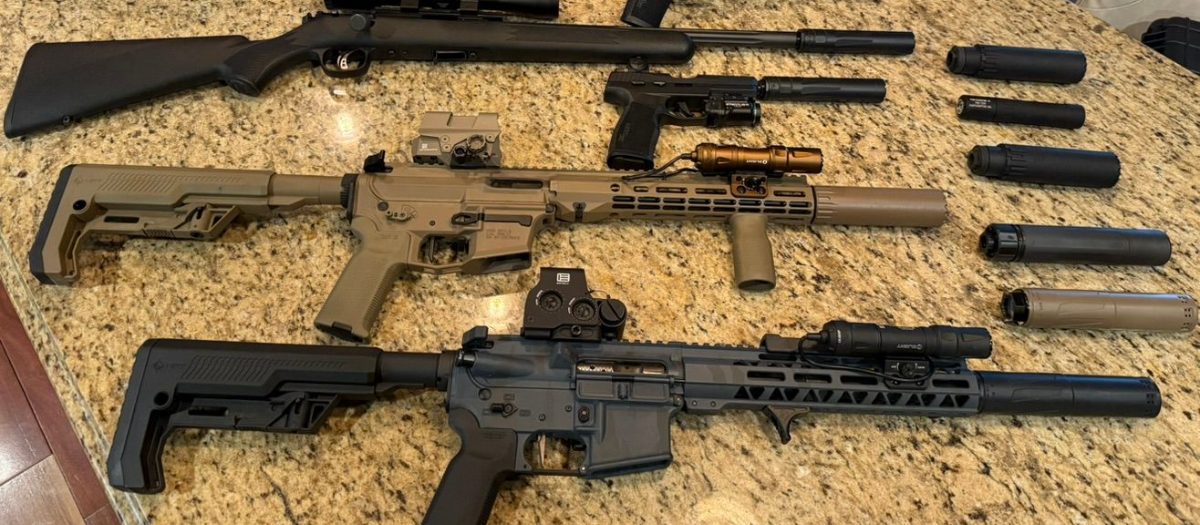
- Suppressors and other NFA items
- Firearms regulated under Connecticut assault weapon laws
- Registered machine guns
- Frames and receivers
- Firearms with unclear ownership or documentation
- Estate firearms with multiple heirs
- Firearms brought into Connecticut from another state
- Items with altered, missing, or damaged serial numbers
NFA items require approved federal documentation and must move through the appropriate licensed dealer process. Connecticut’s rules for assault weapons and other regulated items can also involve possession certificates, dates of lawful acquisition, and restrictions on eligible purchasers.
Do not assume that a special-category firearm can be sold, shipped, or traded using the same process as a standard firearm.
Contact us before bringing in an NFA item, regulated firearm, or estate collection. We can explain what information is needed and identify the next step.

6. Choose a Licensed Dealer That Explains the Process
A licensed dealer should provide more than a number scribbled on a piece of paper. The process should be clear from the beginning.
Ask how the dealer handles:
- Appraisals
- Trade-in values
- Used firearm purchases
- Transfer paperwork
- Background checks
- Connecticut authorization requirements
- Special-category firearms
- Accessories and collections
- Payment timing
- Firearms that need repair or inspection
At BRAVO DEFENSE, LLC, we take a personalized approach. Customers receive one-on-one attention in a relaxed, supportive environment. We explain what affects the value, what paperwork is required, and what options are available.
We are a federally licensed firearms dealer and BBB accredited, reflecting our commitment to trust, transparency, and quality service. We serve firearm owners throughout Connecticut from our Southington location.
Learn more about our services.
7. Get the Firearm Evaluated Before Making a Final Decision
Online listings can be useful for research, but they do not always show the actual selling price. Asking prices are not necessarily completed-sale prices, and condition varies from one firearm to another.
An in-person evaluation helps identify:
- Wear that may not appear in photos
- Mechanical or safety concerns
- Missing factory components
- Value-added accessories
- Modifications that affect resale
- Collectible features
- Repair or cleaning needs
- Transfer restrictions
We may recommend gunsmithing service when a firearm requires inspection, maintenance, or repair before a final decision. In other cases, the firearm may be ready for purchase or trade as presented.
The goal is a practical, informed transaction. We do the heavy lifting while keeping the customer informed at every stage.
How the Bravo Defense Trade-In Process Works
The process starts with a conversation.
1. Contact us
Call or text (959) 595-5135 with the firearm’s make, model, condition, and purpose of the appraisal.
2. Share the details
Send clear photos when appropriate, or schedule an appointment for an in-person inspection.
3. Review the value
We explain the condition, market factors, and available sale or trade options.
4. Complete the transaction
If the offer works, we complete the required dealer paperwork and follow Connecticut and federal transfer procedures.
5. Apply the trade value, if applicable
For a trade, the agreed value can be applied toward an eligible firearm or other purchase.
Fees, final values, and eligibility requirements vary by firearm and transaction. Contact us for current details before visiting.
Ready to Sell or Trade a Firearm in Connecticut?
Whether the firearm is a single handgun, a hunting rifle, a collection, or an inherited piece, BRAVO DEFENSE, LLC provides a clear path forward.
We offer:
- Used firearm purchasing
- Firearm trade-ins
- Professional appraisals
- Personalized one-on-one service
- Connecticut-compliant dealer transfers
- Gunsmithing inspections and repairs
- New and used firearm sales
Call or text (959) 595-5135 to discuss an appraisal or trade-in. We are located at 1900 Mt Vernon Rd, Southington, CT 06489. Appointments are recommended because we are a home-based FFL.
Visit www.bravodefensellc.com to learn more or contact Bravo Defense today.

Important Note: Firearm laws and transfer procedures may change. This post is for general informational purposes only and does not provide legal advice. Confirm current Connecticut and federal requirements with DESPP, ATF, or a qualified firearms professional before selling, trading, shipping, or transferring any firearm.